
Fashion
History Notes
One of the fastest sectors is slowing down. Nothing we wear will be like before, or maybe it will?
Waste Becomes Fashion
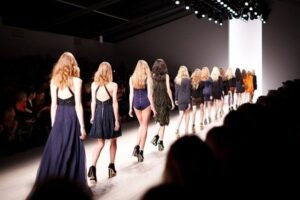
The magic of creativity: waste becomes fashion Imagine the scene. A model paces the runway with empty detergent bottles and egg cartons dangling from her shoulders.
Ethnic Style
The main difference in the popular direction is the characteristics of the rosary with the inherent details of a particular national costume.
To create an elegant arch, you can use the direction as a whole or its individual elements.
Fashion Trends 2021
Here are the fashion trends that we will continue to see in 2021 Are you curious to know what the new women’s fashion trends will be for 2021?
All the trends that we will carry with us.
All eco friendly and minimal chic
New Northern European Trend
Covering a woman is simple, but dressing her up is another matter entirely! This mantra has been guiding fashion since the days when the textile industry and exceptional designers merged brilliantly.
Today the world moves with incessant frenzy and photographing its movements means creating outfits that can run with it. Northern European fashions aim to launch messages of hope, through the revaluation of green materials while respecting beauty and the environment.
Sustainability, transparency and mystery are the outlines of the new futuristic top brand collections. Like a family that grows not too far from its roots, fashion also becomes the spokesperson for a wise change, which transforms the way of dressing by creating garments with ecological and healthy materials.
Starting from interior design to reach the wardrobe, in recent years clean lines have developed, overwhelmed by the sense of order and reduction of spaces as well as clothing, favoring the use of materials with a natural spirit.
A basic style dominates, exuding simplicity, where the coolest trend is given by pure and fresh fabrics in summer, warm and enveloping in winter. The stiffness of seasonal temperatures is contrasted by a yielding yarn to the touch, very pleasant to wear at any time of the day.
In countries such as Denmark, Iceland, Sweden, Norway and Finland, there is a need for comfortable homes, which can accommodate those who live there during the 9 months of the lingering Winter. The desire to contrast the external climate has led to the creation of intimate and highly personal environments, where heat becomes the center of the living universe and ecological material its constructive source.
This same philosophy has been translated into the summer seasons and into the wardrobe, where the union between aesthetics and utility has shown signs of union and perfection.
The desire to create rooms furnished in a simple and refined way has moved from architects to stylists, creating modern collections, with a combined face, with great elegance in the background.
Scandinavian Fashion
The process of the Northern European industry in this way has reached an undisputed quality, designing garments that experiment with fashion trends and align themselves with increasingly evolved styles for the well-being of the body and the surrounding space.
After all, being comfortable without ever giving up on details becomes the first step to conquer an increasingly demanding market, which requires awareness and knowledge of the person and all his nuances.
To be honest, Scandinavian fashion is talked about for more than one reason. The concept targeted is the comfortable and relaxed style, propulsive for a beautifully inspired look that does not weigh down the figure and does not hinder movement. The three fundamental pillars on which the attention of the new Northern European trends is focused are: neutral colors, slim shapes, quality of materials.
The colors of Scandinavian fashion and other Nordic spearheads are mainly white and beige, with the addition of gray, a great must-have. As a puristic element, black is also present in the color table. The spring-summer collections shine with the softness of the pastel shades and the denim in this varipinto picture becomes an omnipresent garment. Jeans are intended not only as a timeless element of wearability, but also as a central axis of reference around which the entire wardrobe revolves, especially if made in light and soft touch shapes.
There is no lack of references to the colors of nature, for maintaining a transversal contact between man and his microcosm around. The choice mostly falls on solid colors that can combine with each other without particular effort. In a world where elegance means taking away, even the fantasies become more modest, giving the body figure only what is enough to revive it without too many frills.
Gallery Section


Thank You To Our Sponsors
